
2026 ISfTeH Student Contest & Award: Session 2
10 September 2026
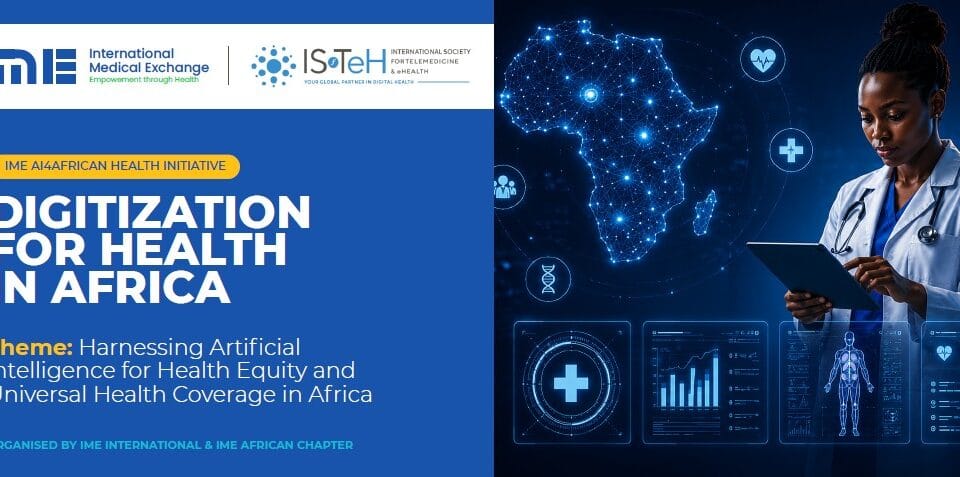
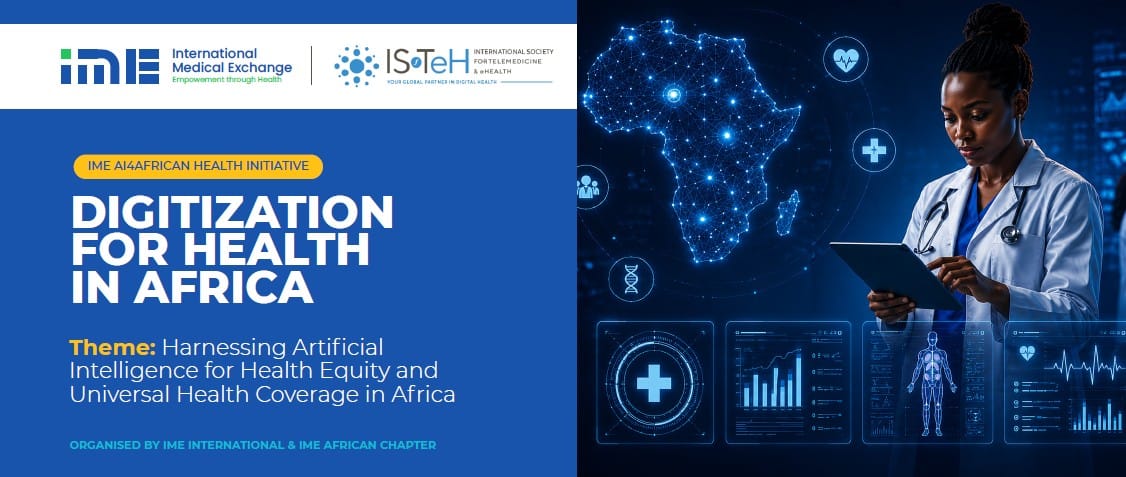
DIGITIZATION FOR HEALTH IN AFRICA: Harnessing Artificial Intelligence for Health Equity and Universal Health Coverage in Africa
12 September 2026
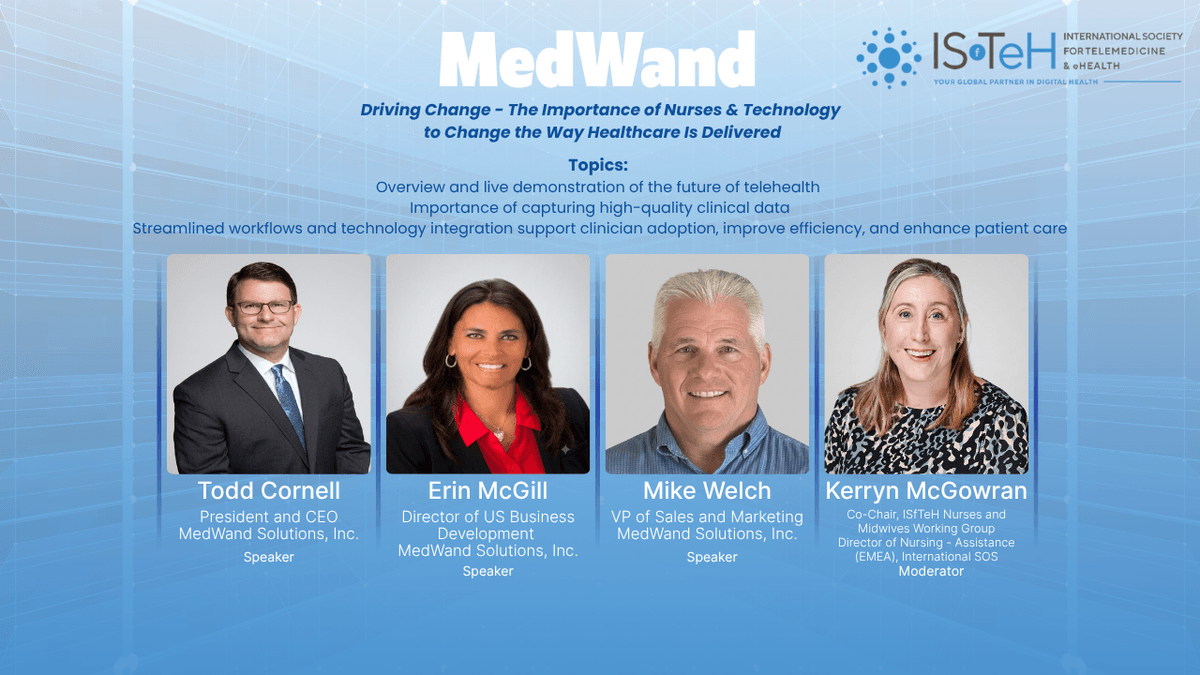
Driving Change: The importance of Nurses and Technology to change the way healthcare is delivered.
Title: Driving Change: The importance of Nurses and Technology to change the way healthcare is delivered.
Access to quality healthcare remains constrained in many communities due to shortages of physicians and nurses, hospital closures, geographic isolation, and fragmented clinical data. In a recent webinar hosted by the ISfTeH Nurses and Midwives Working Group, brings together experts from ISfTeH member MedWand Solutions. The MedWand team examined how remote diagnostic technology can help address these challenges and support more informed, timely clinical decision-making.
The MedWand is an FDA-cleared handheld device designed to elevate standard telehealth consultations into comprehensive remote examinations. Its integrated sensors capture essential clinical parameters, including temperature, oxygen saturation, heart and lung sounds, electrocardiogram (ECG) readings, and high-resolution images. The platform also supports integration with Bluetooth-enabled devices such as blood pressure monitors, glucometers, spirometers, weight scales, and 12-lead ECG systems.
During the demonstration, participants observed how the MedWand facilitates asynchronous, synchronous, and on-site models of care. Nurses, community health workers, and other healthcare personnel can collect patient data locally, while physicians and specialists review the information remotely, participate in live consultations as needed, and receive results in a consolidated report.
The presentation further highlighted international use cases in Saudi Arabia, Thailand, Rwanda, and Argentina. These examples illustrated how remote examination technology can extend care to rural and underserved populations, strengthen chronic disease management, enhance care coordination, and inform decisions regarding local treatment versus referral to higher-level facilities.
As the speakers emphasized, technology alone is insufficient. Effective telehealth requires coordinated collaboration among patients, healthcare workers, clinicians, technology providers, and health systems. Through this ecosystem approach, remote diagnostics can expand access to care and optimize the use of clinical resources.
Watch the full session: https://www.youtube.com/watch?v=xNIrvH8gHKk