


Digital health policy, practice and solutions are integrated into the mainstream of health systems around the world through collaboration with the Society.
Our mission is to contribute to the above vision by facilitating the international dissemination of knowledge and experience in digital health, providing access to recognized experts in the field worldwide and fostering collaboration between stakeholders.
Our vision and mission are anchored in our philosophy and values. We promote and support digital health activities worldwide, by serving as the primary global umbrella organization for national digital health professional societies in all countries, and in this vein, we provide assistance for the start-up of new national organizations.
We are a non-governmental and not-for-profit society, with formal ties to UN specialized agencies that are directly relevant to global health. Established under Swiss law, we are politically neutral and democratic, with a commitment to fairness in our fee structure and an institutional policy supportive of diversity, equity and inclusion in our membership. Finally, we are driven by an implicit oath to furthering the cause of the environment, sustainability and good governance (ESG).
We recognize that the digital health ecosystem needs the contribution of all categories of stakeholders. Membership in the Society is therefore open to:
These values enable us to craft overarching initiatives and programs, which are finely tuned to address the specific needs of each membership category. The initiatives and programs build on the ISfTeH framework, which provides a methodological basis for tackling issues of digital health development, especially in emerging markets. The ISfTeH helps its members in each stakeholder category to meet their professional aspirational goals as well as their practical needs.
Building capacity for digital health
Beyond clinicians, there is a critical need for technical staff, who are competent in digital health, to help bring ICT to bear positively on health system challenges. Yet, the need for digital health expertise often is not part of the human resources for health calculus in some countries. It is the professionals who provide not only skills to keep systems running – from supply chain logistics to maintenance and repair of hardware and software systems. It is they who can articulate country needs in terms of development of technical staff for the health system; make projections of future needs, identify relevant staff profiles and advise on appropriate curriculum for education and training institutions to produce the requisite numbers and quality of digital health workers. Investments are needed to target the creation of a corps of digital health experts in each country. Professional associations are key to building and retaining such a corps in countries.
Organized digital health professionals can carry out a number of functions that are indispensable to further development of the use of ICT in the health sector of the country. Key among these are:
We support national digital health societies in countries so that they can better fulfill their role as a forum for digital health professionals to exchange ideas and share knowledge, as well as raise the profiles of digital health experts and serve as a watch-dog of the profession in the country. Via various platforms, we facilitate sharing of experience with professionals outside the country, to the mutual benefit of all involved.
Advocacy
There is a need for advocacy, to raise the profile of digital health locally, nationally and internationally. The ISfTeH employs a two-pronged approach to advocacy – a specific advocacy initiative, and a visible and active presence at important digital health events.
Growing the digital health community
The ISfTeH is helping to build a global digital health community. It has traditionally done so through two main mechanisms. One is increasing enrollment in the various categories of its membership. The other is by organizing periodic events such as conferences, seminars and workshops. In addition, to these two mechanisms, the Society is engaged in community building via the Global Telehealth Community of Practice (GTCoP), with a planned publication of an annual review of Who is Who in digital health.
Digital Health capacity building
The use of ICT in health underpins the transformation of health systems into knowledge-based systems of the 21st century. Capacity building for successful operation within this new paradigm is a growth area in which the ISfTeH has invested heavily. The need for accreditation offers opportunities to profitably engage in: a) becoming an accrediting body; b) supporting training institutions to become accredited; and c) developing learning materials and courseware in specific areas of digital health.
Human resources for digital health are going to be in increasing demand as more health systems adopt digital health practices. The ISfTeH student group is an important element in the supply of qualified digital health cadres in the future. In addition, brokerage services will be needed to link job seekers with opportunities in the growing digital health business worldwide. Finally, information on digital health activities needs to be documented and retrievable through a structured repository similar to the “Who is Who in digital health”, but focused on projects.
Sustainability
Another key advantage of adopting such a framework, which seeks to integrate digital health into the health system fabric, is its positive influence on sustainability of digital health projects. Sustainability is now routinely used to augment quality, access, cost and cost effectiveness, beneficiary perceptions, and provider perceptions (elements of the classic IOM model for assessment of ICT in health) to become the sixth dimension for assessment. It is the considered view of more and more observers that mainstreaming digital health is the most promising mechanism for ensuring its sustainability – in other words, let digital health sink or swim with the health system. So, if we weave it inextricably into the health system, digital health will remain as long as the health system exists. And should the health system fail to exist, digital health would have no purpose anyway, so nothing would be lost.
The International Society for Telemedicine & eHealth (ISfTeH) is a federation of national professional telemedicine/eHealth societies, together with other institutional, corporate and inidividual members, representing digital health stakeholders in 100 countries around the world.
The ISfTeH therefore brings together leading global experts on all aspects of the use of information and communication technology in addressing health challenges. It is arguably the key professional body in the field of telemedicine and digital health in the world. In recognition of its potential to support digital health worldwide, the Executive Board of the World Health Organization at its 122nd session in January 2008 admitted the ISfTeH into official relations with WHO. Formal relations also exist between the ISfTeH and other organizations and bodies in the United Nations system and other international organizations. The Society’s network is a crucial asset for disseminating best practices in digital health.
It does so through thirteen working groups – on thematic areas of telemedicine and digital health, such as telecardiology, digital transformation leadership, the Working group on Women, telenursing, etc. Its newsletters reach an audience of over 25,000 experts around the world.

(USA)
Board-Certified Internal Medicine, Lifestyle Medicine Physician | Digital Health & Telemedicine
ABOUT DR. MICHELE Y. GRIFFITH
With over 30 years of medical practice, Dr. Michele Y. Griffith is a board-certified Internal Medicine, Lifestyle Medicine and Integrative Medicine physician whose career spans primary care, healthcare administration, and digital health. Her passion for medicine began early and has shaped a professional path defined by clinical excellence, leadership, and the thoughtful integration of technology into patient care.
Dr. Griffith’s work bridges hands-on clinical practice and organizational leadership, with a consistent focus on improving access to care through technology-enabled primary care delivery. She has practiced across hospital systems, federally qualified health centers, community programs, corporate health programs, and virtual care organizations, and currently provides care in a rural setting.
CURRENT ROLES
• President, International Society for Telemedicine & eHealth (ISfTeH)
• Digital Health Consultant
• Senior Primary Care Physician, Intermountain Health, Nevada, United States
PRACTICE & LEADERSHIP
In her clinical and executive roles, Dr. Griffith integrates digital health and telemedicine tools into daily practice to support patient care delivery and continuity. Through her leadership with ISfTeH, Dr. Griffith contributes to improving access to healthcare and health outcomes globally via professional collaboration in telemedicine and digital health, support of the exchange of knowledge and best practices, and organizational leadership within the international digital health community. She is intentional about equitable access and closing the digital health divide.
EXPERIENCE & HIGHLIGHTS
EDUCATION & BOARD CERTIFICATION
Dr. Griffith graduated from the University of Pennsylvania before attending Yale School of Medicine and completing her Doctor of Medicine degree at Columbia University College of Physicians and Surgeons. She completed her Internal Medicine residency at Harvard Medical School–Mount Auburn Hospital. Dr. Griffith completed an Integrative Medicine Leadership fellowship at Duke University. She is board certified in Internal Medicine and Lifestyle Medicine.
VISION & APPROACH
Dr. Griffith approaches medicine with a focus on practical, patient-centered care that integrates technology as a tool to support access, continuity, and clinical decision-making. Her work emphasizes thoughtful implementation of digital health within primary care, ensuring that innovation complements — rather than replaces — the physician–patient relationship. Across her clinical and leadership roles, she prioritizes collaboration, adaptability, and evidence-based practice. Her approach reflects a commitment to meeting patients and care teams where they are, while supporting healthcare delivery models that are responsive to evolving clinical and community needs.

(Finland)

(UK)
Dr Neil Nerwich is the Group Medical Director of Assistance for International SOS and the MedAire organisations. Dr Nerwich resides in London, overseeing the dynamic and expanding International SOS Assistance and MedAire Services through multiple assistance and response centre platforms specialising in extensive telehealth enabled medical support and assistance services on an international basis.
For over 25 years, Dr Nerwich has been at the forefront of the provision of these services across extreme remote environments such as the Arctic Circle, remote land based sites such as rural central Africa, offshore environments, including installations, vessels and yachts, and inflight ground to air support for both commercial airlines and charter aircraft. These are adapted to a wide range of corporations, industries, Government and non-Government organisations globally, amounting to several 100,000 interventions on an annual basis. Both organisations are underpinned by extensive telehealth capabilities and medical expertise, integrated with advanced telecommunication technologies and rigorous quality control.
Dr Nerwich is highly focused on the quality, scalability, robustness and compliance of telemedical services and this has culminated in International SOS becoming the first organisation in the world to achieve ISO/TS13131 Telehealth ISO Certification. This has involved the maximum leverage of developments in telecommunication technologies to enable best practice in the provision of such medical assistance services combined with the medical professional expertise and operational capabilities to facilitate the highest quality outcomes and clinical governance. Fulfilling these requirements international basis has involved the deployment of innovative and compliant technologies, in addition to the formulation and deployment of rigorous standards, telemedical delivery guidelines and protocols, global regulatory and data privacy and retention compliance and well structured training and education programs.
Dr Nerwich has overseen medical assistance services relating to multiple disaster and mass casualty events and has a particular interest in leveraging of telemedical services to assist responders in the management and response to such events.
Dr Nerwich has a background in general practice, emergency medicine, aviation medicine and tropical medicine, his qualifications including Bachelor of Medicine, Bachelor of Surgery with Honours, Fellow of the Royal Australasian College of General Practitioners, Diploma of Tropical Medicine and Certificate of Civil Aviation Medicine. He is an elected Board Member of the International Society for Telemedicine and EHealth (ISfTeH) and an Associate of the Australasian College of Health Service Management.
Publication topics include healthcare in remote environments, inflight injuries, paediatric inflight medical emergencies and cardiac events and medical events on board merchant ships. His memberships include the Australasian Telehealth Society, Health Informatics Society of Australia, International Maritime Health Association, International Academy of Aviation and Space Medicine, World Association for Disaster & Emergency Medicine, Air Medical Physician Association, Aerospace Medical Association and Australian College of Rural & Remote Medicine.
International SOS is the world’s leading medical and travel security services company. We help organizations protect their people across the globe. Our teams work night and day from more than 700 locations in 76 countries. Through our worldwide network of assistance centres, clinics, and health and logistics providers, we offer local expertise, preventative advice, and emergency assistance during critical illness, accident, or civil unrest. With over 10,000 group employees working in 70 countries, we work in partnership with businesses, governments and non-governmental organizations and offer international standards of medical care.

(Egypt)
Prof. Dr. Nelly Abulata is a Physician Executive, Clinical Professor, and global advisor in human-centered healthcare and higher education, with 25+ years of leadership in clinical practice, academia, and health system transformation. Egyptian by nationality and global by perspective, she is recognized for advancing resilient health systems, modernizing medical education, and championing ethical, future-ready innovation. Her impact spans Egypt, Saudi Arabia, Bahrain, the UAE, Europe, the US, and Asia. She leverages technology particularly digital health and ethical AI to enhance healthcare delivery, education, and accessibility anytime, anywhere.
As an Executive Advisor, she leads transformative initiatives in health system reform, digital health integration, accreditation advancement, governance, and strategic planning. She serves on international advisory boards, physician committees, and institutional partnerships, fostering sustainable, innovation-driven models of care and education.
A Clinical Professor and Consultant Hematologist at Cairo University’s Kasr Al-Ainy Medical School and University Teaching Hospital, she integrates clinical excellence with academic rigor and executive leadership. A distinguished medical educator, she specializes in curriculum design, advanced assessment methodologies, contemporary pedagogical strategies, and accreditation readiness (JCI, NAQAAE, NCAAA, BQA). She is a published scholar, journal reviewer, and editorial board member, with an award-winning research portfolio.
Committed to women’s leadership, Prof. Abulata founded CVWD Women’s Net, a regional platform supporting women in healthcare, academia, and executive roles through ethical leadership, innovation, and professional growth.
Her academic credentials include an MD, MSc, PhD (Kasr Al-Ainy, Medical School- Cairo University), a Postgraduate Diploma in Total Quality Management for Healthcare Reform (AUC-Egypt), & an Executive Program in Gender Management for Women Entrepreneurs (AUC-Egypt), an MBA in Global Management (ESLSCA Business School, France), and a Digital Health specialization (Imperial College London-UK).
Her mission is to bridge academia, healthcare, and technology to build human centered, innovative, and future-ready health systems.

(UAE)
Osama is a Software Engineer by training with more than 20 years of extensive digital health experience and qualifications. He is recognized as a leading figure in digital health committed to enhancing healthcare services at local, regional and international levels.
After many years in academia, multiple governmental health organizations in UAE since 2012 to shape and drive an ambitious digital health strategy which includes several transformative initiatives and regulatory frameworks.
Currently at the helm of a prominent NGO namely the International Digital Health Workforce Development Collaborative (ZIMAM) which is dedicated to empower digital health workforce and professionalize the digital health domain across the MENA region.
Dr Elhassan has extensive exposure to a number of current and previous health professional organizations’ appointments such as the International Committee of HL7, the American Health Information Management Association and the International Society of Telemedicine and eHealth (ISfTeH).
Dr Elhassan has been awarded a lifetime fellowship of the International Academy of Health Sciences Informatics and HMSS Changemakers Award for 2025 as a recognition of his achievements, He holds a Master degree in Advanced Computing from Imperial College (UK) and a PhD in Software Architecture from University of Leicester (UK). He is propelled by his fervent dedication to advancing healthcare through innovation, collaboration and strategic leadership.

(Morocco)

(Austria)

(France)

(Ukraine)
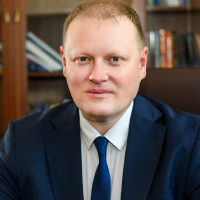
(Poland)
Prof. Piotr H. Skarzynski, MD, PhD, MSc, conducts scientific work at the World Hearing Center of the Institute of Physiology and Pathology of Hearing, the Institute of Sensory Organs, and the Medical University of Warsaw.
Specialist in ENT, paediatric ENT, audiology, and phoniatrics, and public health. He participated in the 3rd Stakeholders Consultation meeting, during which the World Hearing Forum of WHO was announced. A member of the Roster of Experts on Digital Health of WHO, a Board Member and Institutional Representative of the International Society for Telemedicine and e-Health (ISfTeH), and the Past President of the International Advisory Board of the American Academy of Otolaryngology-Head and Neck Surgery (AAO-HNS). Additionally, he is a member of the Congress and Meeting Department of the European Academy of Otology and Neuro-Otology (EAONO), the Regional Representative of Europe for the International Society of Audiology (ISA), Vice-President of Hearring Group, auditor of the European Federation of Audiology Societies (EFAS), a member of the Facial Nerve Stimulation Steering Committee, and the Board Secretary of the Polish Society of Otorhinolaryngologists, Phoniatrists, and Audiologists (TOFAP). He also serves on the Hearing Committee of AAO HNS. Consultant Committee of International Experts of CPAM-VBMS (by special invitation), and is an honorary member of the ORL Danube Society and Société Française d’Oto-Rhino Laryngologie. He is a corresponding member of the German Society of Otorhinolaryngology, Head and Neck Surgery, and a corresponding Fellow of the American Otological Society. Furthermore, he is a member of the Council of the National Science Center (NCN), and participates as an expert and reviewer for numerous national organisations and projects. He reviews both national and international scientific journals, primarily those with an Impact Factor.
Prof. Piotr H. Skarzynski, MD, PhD, MSc, leads numerous national and international projects related to hearing screening programmes, implantable hearing devices, telemedicine, and e-health across multiple European, Asian, and African countries.
Research interests: ENT surgery, otology, rhinology, ear reconstruction, hearing implants and hearing aids, telemedicine and e-Health, robotics, tinnitus, and hearing screening across Europe, Africa, Asia, and South America.

(USA)

(USA)

(India)
Dr. Rajendra Pratap Gupta is a leading global voice in Health and has done pioneering work in Digital Health, working with various multi-lateral bodies and governments. His book ‘Digital Health- Truly Transformational’ remains the global bestseller and course book and is the most comprehensive book on Digital Health. He is also a public policy expert with vast experience in policymaking across sectors, and he was instrumental in drafting the election manifesto (all sectors) for Mr. Narendra Modi in 2014. He has played a key role in drafting the National Health Policy-2017, National Digital Health Mission, the National Education Policy-2020, and the Viksit Bharat Abhiyan (Developed India Mission)- which is the flagship program of the Modi Government for New India.
He has been invited by all multi-lateral bodies: The United Nations, ITU, FAO, WHO, World Bank, Asian Development Bank, World Economic Forum, and the Commonwealth. Besides, he has been invited by governments of the United States of America, the United Kingdom, Govt. of Japan, Algeria, Finland, Norway, Ethiopia & Bangladesh, and also by the Ministry of Health, Ministry of Human Resource Development, Ministry of Labour and Employment & The Planning Commission – Government of India, for his views on a diverse range of topics.
He has been interviewed by Harvard Business Review and has been featured in the world’s Top 50 Thinkers Podcast by Deloitte & Thinkers 50.
Dr. Rajendra has been involved in major global initiatives and holds several key positions in the UN bodies. He leads three dynamic coalitions at the United Nations’ Internet Governance Forum: DC on Digital Economy, Environment, and Digital Health. He is also Member, Board of Directors, International Society for Telemedicine, and e-Health (ISfTeH); and Chairman – Commonwealth AI Consortium (Capacity Building).
He has been a co-author of several reports at the World Health Organisation (WHO); served on the guidelines development group for Digital Health at the WHO; invited by the Prime Minister’s office of Bangladesh to help draft the AI Policy. He is the former advisor to the Union Health Minister, Government of India. He was nominated by the World Economic Forum on the Global Agenda Council for Digital Health and conferred the Global Impact Award by HIMSS at Boston in 2018 (PCHA). He has authored five books on a diverse range of topics and delivered over 300 talks around the world.
Web-links:
o https://www.linkedin.com/in/rajendragupta/
o https://www.intgovforum.org/en/content/dynamic-coalition-on-digital-health
o https://www.globalsummit.health
o https://www.parliament.healthhttps://www.parliament.health
o https://www.intgovforum.org/en/content/dynamic-coalition-on-digital-economy
o https://www.intgovforum.org/en/content/dynamic-coalition-on-environment-dce
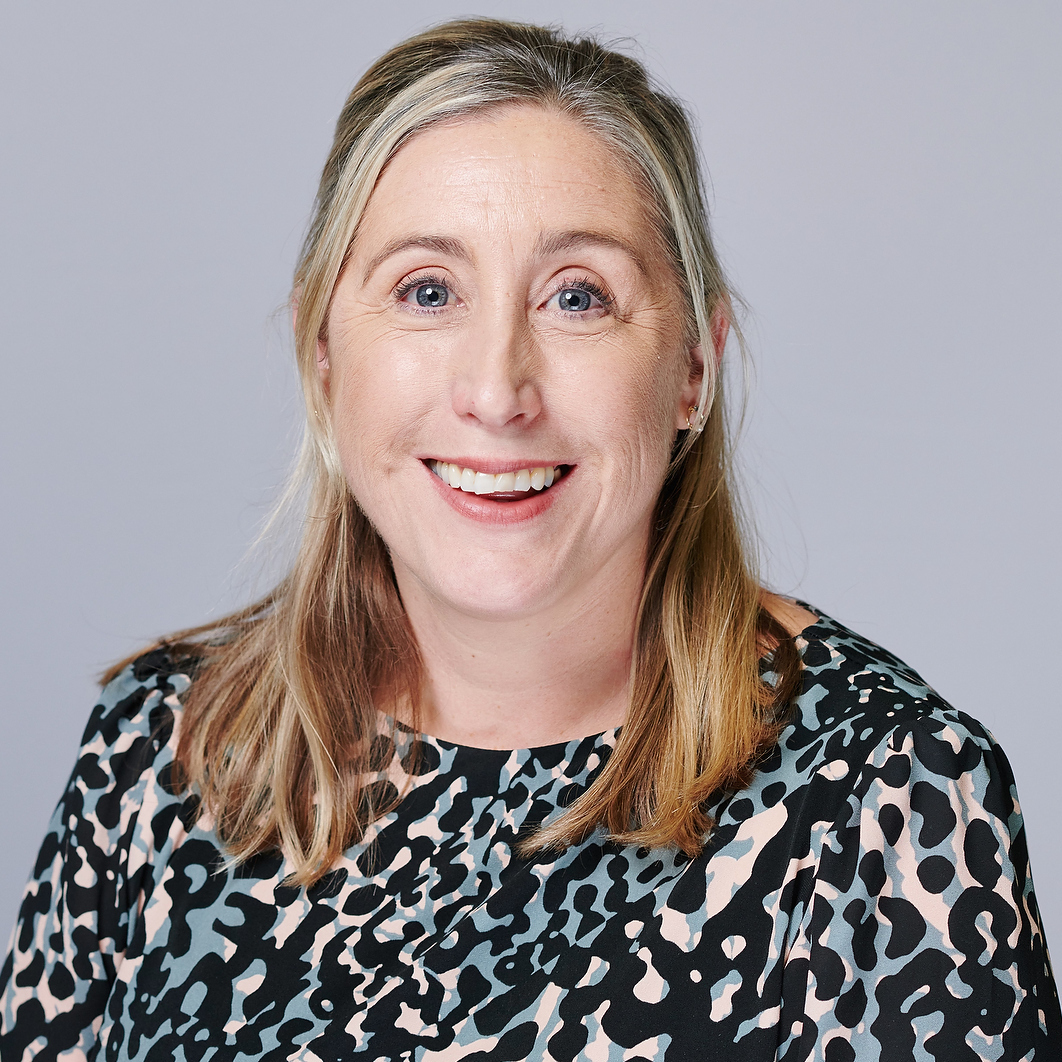
(UK)

(Portugal)

(Belgium)

(Brazil)
Dr. Jefferson G. Fernandes is a neurologist, professor, and researcher with 40 years of experience in clinical neurology, education, scientific research, executive management, and healthcare innovation. He has worked at leading institutions in Brazil, creating and directing academic programs, coordinating clinical trials, establishing teaching, research, and innovation centers, and serving as executive director of healthcare organizations.
Dr. Fernandes has also focused his career on digital health and telemedicine, developing pioneering projects and various educational initiatives. He is currently a Visiting Professor at the Federal University of Health Sciences of Porto Alegre, Brazil, and collaborates with national and international organizations, such as the International Society for Telemedicine & eHealth (Switzerland), where he serves as Director of the Education Program; Regional Editor of the scientific journal Telehealth and Medicine Today (USA); co-coordinator and faculty of a digital health course at Nova Medical School, NOVA University Lisbon (Portugal); faculty member at the Digital Health Academy (India); and Vice-President of the Digital Health Commission of the Brazilian Medical Association (AMB). He also serves as a consultant and board member for startups and companies in the digital health field in Brazil and abroad.
Dr. Fernandes strives to integrate science, technology, management, and innovation to transform healthcare, driving innovation, sustainability, and improved quality of life for patients, healthcare services, healthcare systems, and educational institutions.
(Brazil)
Dr. Simone Farah is a cardiologist with extensive experience in telemedicine, digital health, cardiovascular care and health innovation. She is the first physician in Brazil to obtain a Master’s degree in Telemedicine and Telehealth, awarded by the State University of Rio de Janeiro (UERJ).
She holds an MBA in Knowledge Management and Business Intelligence from COPPE/UFRJ and is a Cardiac Arrhythmia specialist trained at the Federal University of Rio de Janeiro (UFRJ). Dr. Farah combines clinical excellence with strategic leadership, focusing on the integration of digital technologies into high-quality and patient-centered care.
In addition to her clinical practice, she serves as a Medical Captain in the Military Fire Department of the State of Rio de Janeiro (CBMERJ) and as a Professor at the Petrópolis School of Medicine (FMP/UNIFASE). She is actively involved in academic education and publishing as a reviewer for leading cardiovascular journals.
Dr. Farah is a Board Member of the Brazilian Association of Telemedicine and Telehealth (ABTMS) and serves as Student Membership Coordinator of the International Society for Telemedicine and eHealth (ISfTeH), contributing to global initiatives in education, innovation, and digital health leadership.
She is also Founder and Chief Medical Officer (CMO) at Fletic, a company focused on strategic management and innovation in telemedicine and virtual care, and Founder and Medical Director of SBCOR Specialized Cardiology, where she integrates telemedicine, clinical excellence and value-based care models.
Bio on Topics
Simone Farah, MD, MSc, MBA
Cardiologist – Brazilian Society of Cardiology (SBC/AMB)
Cardiac Arrhythmia Specialist – Federal University of Rio de Janeiro (UFRJ)
First physician to obtain a Master’s degree in Telemedicine and Telehealth – State University of Rio de Janeiro (UERJ)
MBA in Knowledge Management and Business Intelligence – COPPE / Federal University of Rio de Janeiro (UFRJ)
Medical Captain – Military Fire Department of the State of Rio de Janeiro (CBMERJ)
Professor – Petrópolis School of Medicine (FMP/UNIFASE)
Reviewer – Arquivos Brasileiros de Cardiologia and International Journal of Cardiovascular Sciences – Brazilian Society of Cardiology (SBC)
Member – International Society for Telemedicine and eHealth (ISfTeH)
Coordinator, Student Membership – ISfTeH
Member – Brazilian Association of Telemedicine and Telehealth (ABTMS)
Board Member – ABTMS (2024–2025 term)
Founder and Chief Medical Officer (CMO) – Fletic Strategic Management in Telemedicine and Virtual Care
Physician and Founder – SBCOR Specialized Cardiology

Norway (1997-2002)

Germany (2003-2011)

Switzerland (2012-2021)
Digital health policy, practice and solutions are integrated into the mainstream of health systems around the world through collaboration with the Society.
Our mission is to contribute to the above vision by facilitating the international dissemination of knowledge and experience in digital health, providing access to recognized experts in the field worldwide and fostering collaboration between stakeholders.
Our vision and mission are anchored in our philosophy and values. We promote and support digital health activities worldwide, by serving as the primary global umbrella organization for national digital health professional societies in all countries, and in this vein, we provide assistance for the start-up of new national organizations.
We are a non-governmental and not-for-profit society, with formal ties to UN specialized agencies that are directly relevant to global health. Established under Swiss law, we are politically neutral and democratic, with a commitment to fairness in our fee structure and an institutional policy supportive of diversity, equity and inclusion in our membership. Finally, we are driven by an implicit oath to furthering the cause of the environment, sustainability and good governance (ESG).
We recognize that the digital health ecosystem needs the contribution of all categories of stakeholders. Membership in the Society is therefore open to:
These values enable us to craft overarching initiatives and programs, which are finely tuned to address the specific needs of each membership category. The initiatives and programs build on the ISfTeH framework, which provides a methodological basis for tackling issues of digital health development, especially in emerging markets. The ISfTeH helps its members in each stakeholder category to meet their professional aspirational goals as well as their practical needs.
Building capacity for digital health
Beyond clinicians, there is a critical need for technical staff, who are competent in digital health, to help bring ICT to bear positively on health system challenges. Yet, the need for digital health expertise often is not part of the human resources for health calculus in some countries. It is the professionals who provide not only skills to keep systems running – from supply chain logistics to maintenance and repair of hardware and software systems. It is they who can articulate country needs in terms of development of technical staff for the health system; make projections of future needs, identify relevant staff profiles and advise on appropriate curriculum for education and training institutions to produce the requisite numbers and quality of digital health workers. Investments are needed to target the creation of a corps of digital health experts in each country. Professional associations are key to building and retaining such a corps in countries.
Organized digital health professionals can carry out a number of functions that are indispensable to further development of the use of ICT in the health sector of the country. Key among these are:
We support national digital health societies in countries so that they can better fulfill their role as a forum for digital health professionals to exchange ideas and share knowledge, as well as raise the profiles of digital health experts and serve as a watch-dog of the profession in the country. Via various platforms, we facilitate sharing of experience with professionals outside the country, to the mutual benefit of all involved.
Advocacy
There is a need for advocacy, to raise the profile of digital health locally, nationally and internationally. The ISfTeH employs a two-pronged approach to advocacy – a specific advocacy initiative, and a visible and active presence at important digital health events.
Growing the digital health community
The ISfTeH is helping to build a global digital health community. It has traditionally done so through two main mechanisms. One is increasing enrollment in the various categories of its membership. The other is by organizing periodic events such as conferences, seminars and workshops. In addition, to these two mechanisms, the Society is engaged in community building via the Global Telehealth Community of Practice (GTCoP), with a planned publication of an annual review of Who is Who in digital health.
Digital Health capacity building
The use of ICT in health underpins the transformation of health systems into knowledge-based systems of the 21st century. Capacity building for successful operation within this new paradigm is a growth area in which the ISfTeH has invested heavily. The need for accreditation offers opportunities to profitably engage in: a) becoming an accrediting body; b) supporting training institutions to become accredited; and c) developing learning materials and courseware in specific areas of digital health.
Human resources for digital health are going to be in increasing demand as more health systems adopt digital health practices. The ISfTeH student group is an important element in the supply of qualified digital health cadres in the future. In addition, brokerage services will be needed to link job seekers with opportunities in the growing digital health business worldwide. Finally, information on digital health activities needs to be documented and retrievable through a structured repository similar to the “Who is Who in digital health”, but focused on projects.
Sustainability
Another key advantage of adopting such a framework, which seeks to integrate digital health into the health system fabric, is its positive influence on sustainability of digital health projects. Sustainability is now routinely used to augment quality, access, cost and cost effectiveness, beneficiary perceptions, and provider perceptions (elements of the classic IOM model for assessment of ICT in health) to become the sixth dimension for assessment. It is the considered view of more and more observers that mainstreaming digital health is the most promising mechanism for ensuring its sustainability – in other words, let digital health sink or swim with the health system. So, if we weave it inextricably into the health system, digital health will remain as long as the health system exists. And should the health system fail to exist, digital health would have no purpose anyway, so nothing would be lost.
The International Society for Telemedicine & eHealth (ISfTeH) is a federation of national professional telemedicine/eHealth societies, together with other institutional, corporate and inidividual members, representing digital health stakeholders in 100 countries around the world.
The ISfTeH therefore brings together leading global experts on all aspects of the use of information and communication technology in addressing health challenges. It is arguably the key professional body in the field of telemedicine and digital health in the world. In recognition of its potential to support digital health worldwide, the Executive Board of the World Health Organization at its 122nd session in January 2008 admitted the ISfTeH into official relations with WHO. Formal relations also exist between the ISfTeH and other organizations and bodies in the United Nations system and other international organizations. The Society’s network is a crucial asset for disseminating best practices in digital health.
It does so through thirteen working groups – on thematic areas of telemedicine and digital health, such as telecardiology, digital transformation leadership, the Working group on Women, telenursing, etc. Its newsletters reach an audience of over 25,000 experts around the world.
